Template Style HTML Preview

From Moss to Whale

This preview now follows the same presentation logic as the PowerPoint version: 16:9 slide frames, split-image layouts, template typography, and cleaner image fitting for fast visual review.
Antarctic coastal landscape

From Moss to Whale

Understanding Polar Ecosystems

A polar world built on hidden abundance.

Speaker Note

Open with scale. To most first-time visitors, Antarctica looks stripped back to rock, ice, and silence. But that apparent emptiness is exactly the trick. Polar ecosystems hide their drama in timing, density, and brief explosions of life.

Image Credit

Antarctic coastal landscape
Jerzy Strzelecki · CC BY-SA 3.0 / GFDL

02 · OPENING

Look Around You

What looks empty is feeding something enormous.
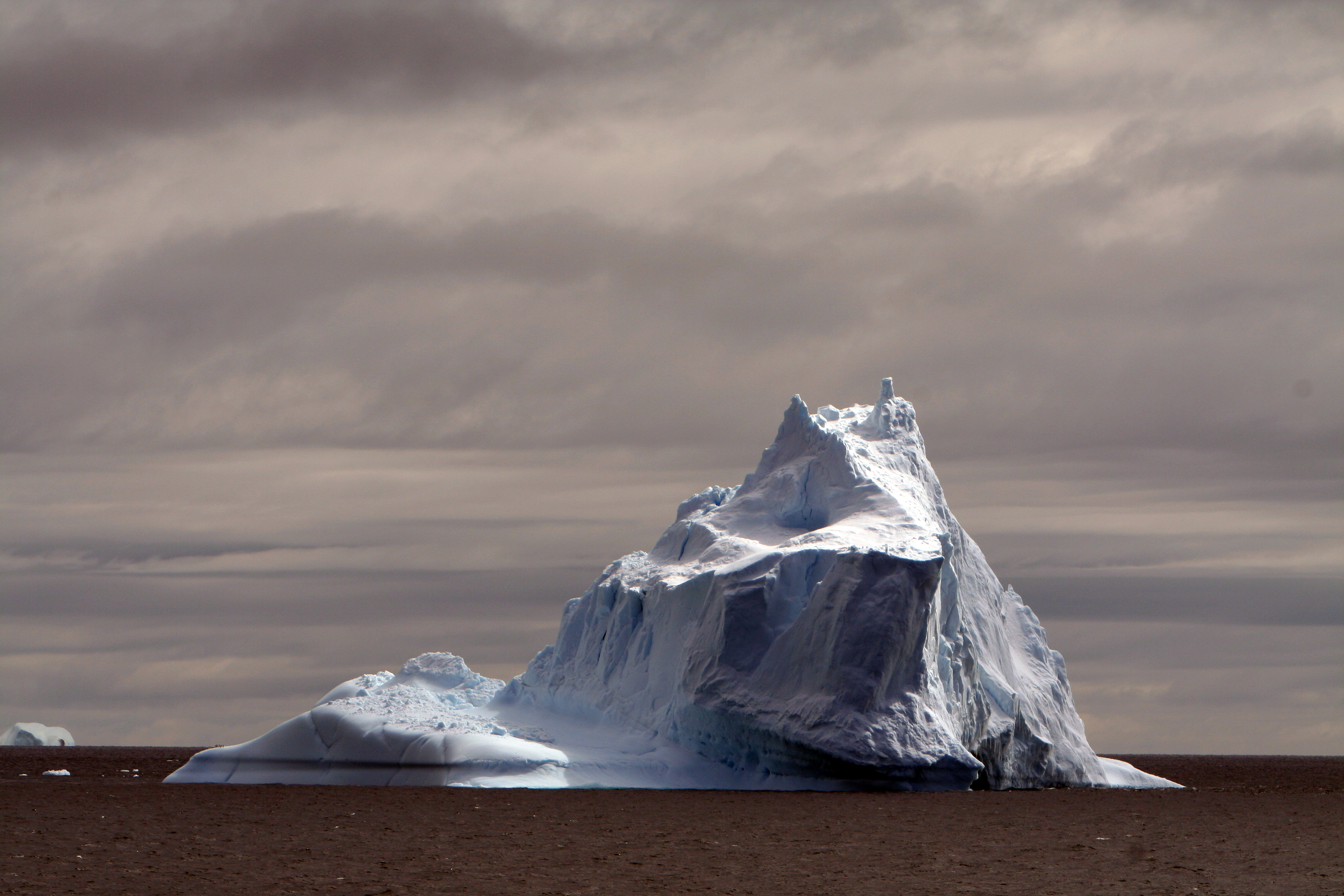
Audience question: If this ocean seems empty, where is the food?
Iceberg in Antarctic waters
Speaker Note

This is the first audience hook. Ask people to scan the water, ice, and sky in front of them. Then let the answer land: almost every large animal we hope to see depends on life too small to notice from the deck.

Image Credit

Iceberg in Antarctic waters
David Stanley · CC BY 2.0

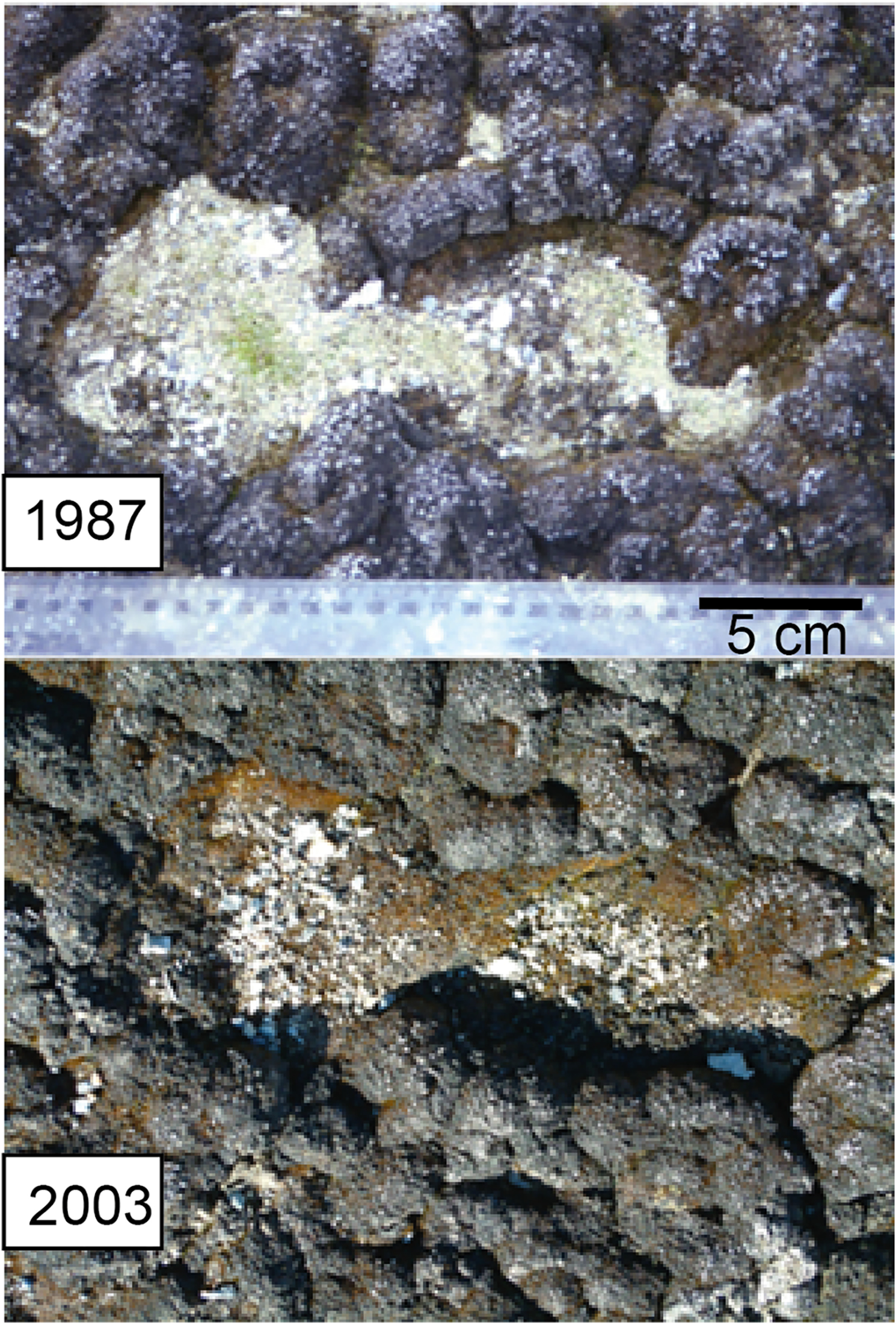
Antarctic moss bed with footprint damage
03 · MICROSCOPIC LIFE

Life Starts Small

Even the land begins with humble survivors.

Bryophyta spp.
Speaker Note

Bring the audience in close. Before we get to whales, start with the quiet pioneers: mosses and tiny plants clinging to wet margins, sheltered rocks, and the briefest summers. They are a reminder that polar life often begins low, slow, and close to the ground.

Image Credit

Antarctic moss bed with footprint damage
Colesie et al. / uploaded by InformationToKnowledge · CC BY 4.0

04 · MICROSCOPIC LIFE

The Invisible Forest

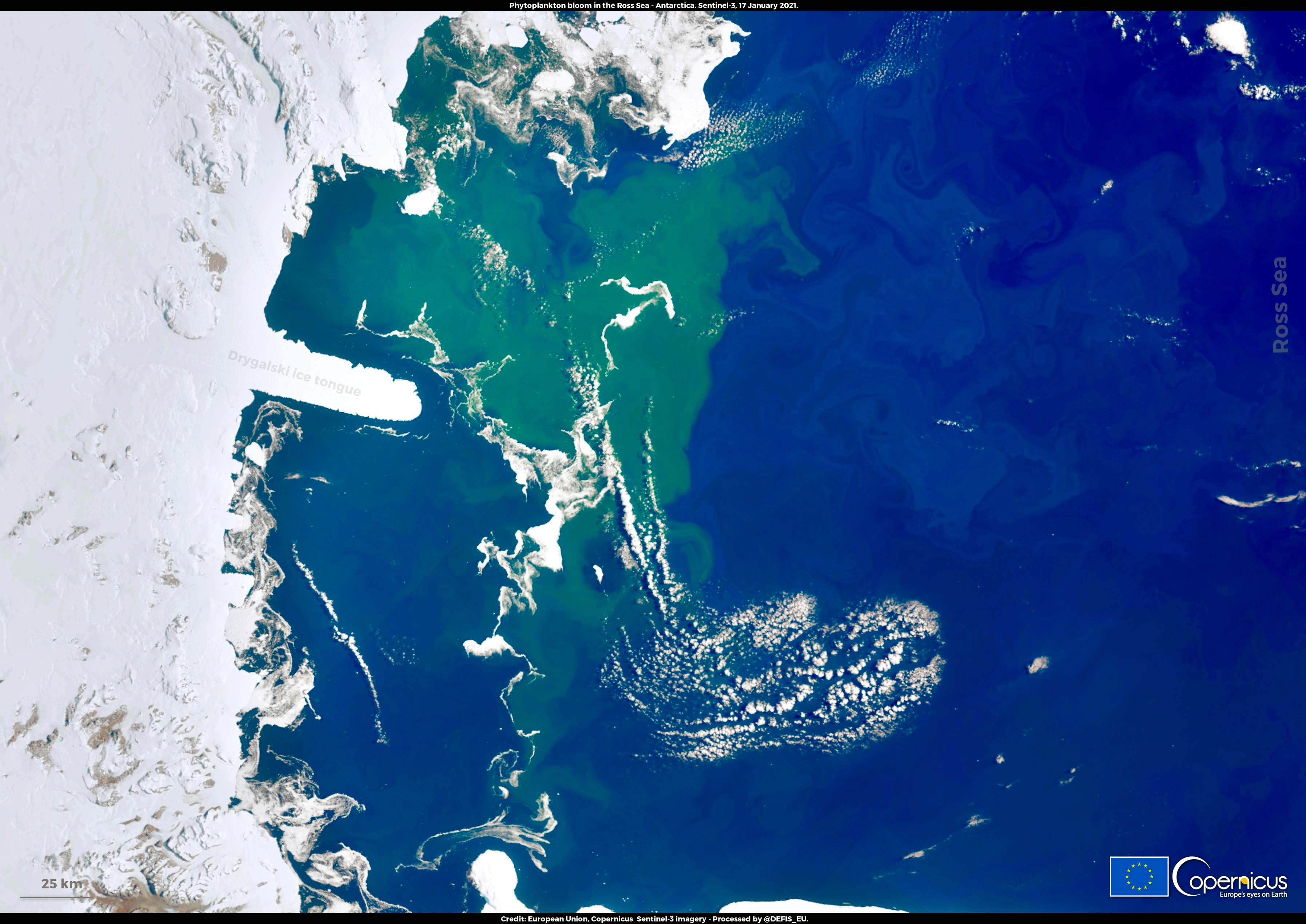
Polar seas bloom with drifting microscopic plants.
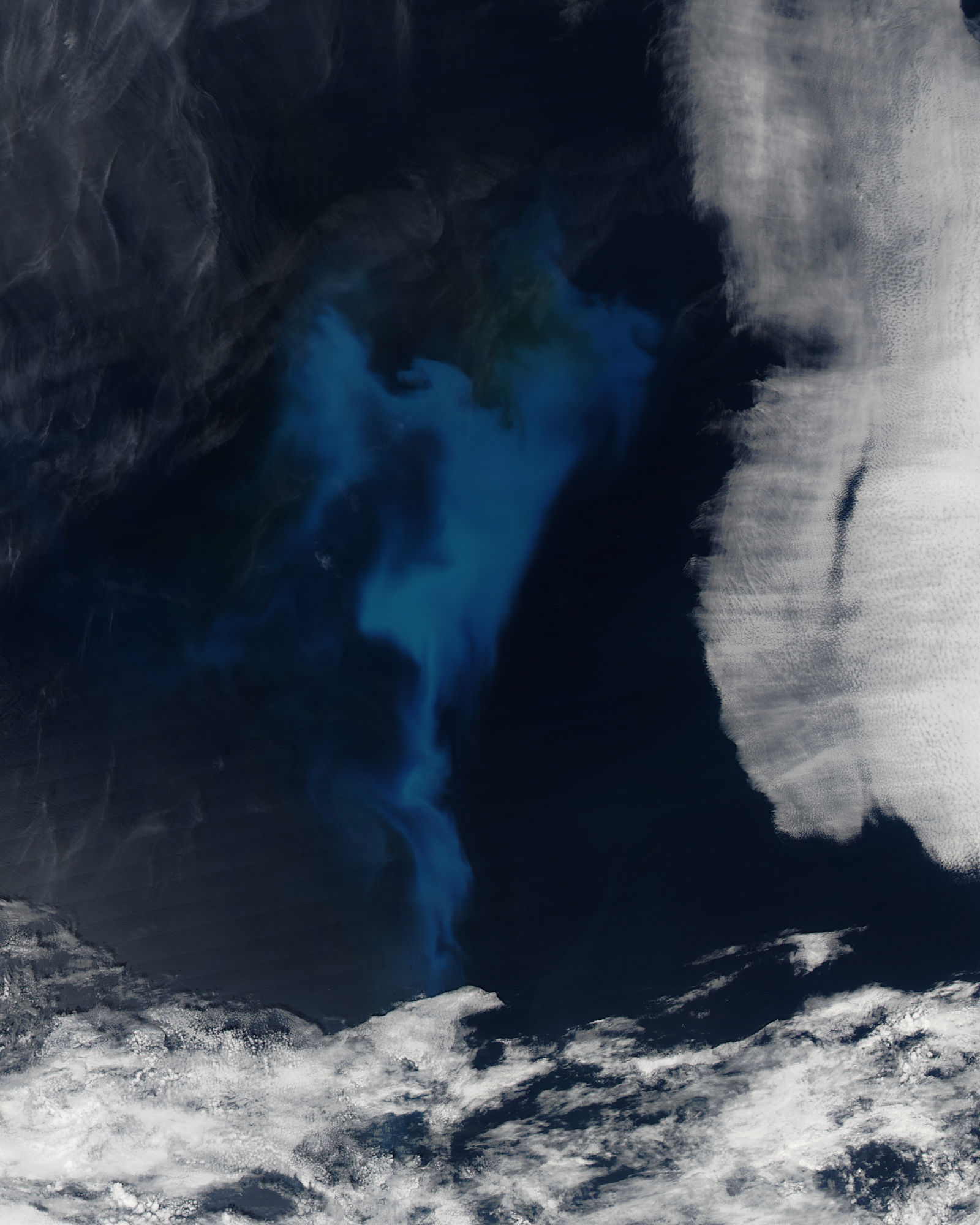
Satellite view of a phytoplankton bloom
Phytoplankton assemblage
Speaker Note

Now shift offshore. The real forest of the polar ocean is made of phytoplankton, not trees. They drift in the sunlit surface layer and, for a few precious weeks, turn light into food faster than almost anything else in this ecosystem.

Image Credit

Satellite view of a phytoplankton bloom
NASA Goddard Space Flight Center / Jeff Schmaltz / MODIS · NASA imagery / Commons-hosted

05 · MICROSCOPIC LIFE
Phytoplankton bloom story moment
SPRING BLOOM

Sunlight returns, and the ocean turns green.
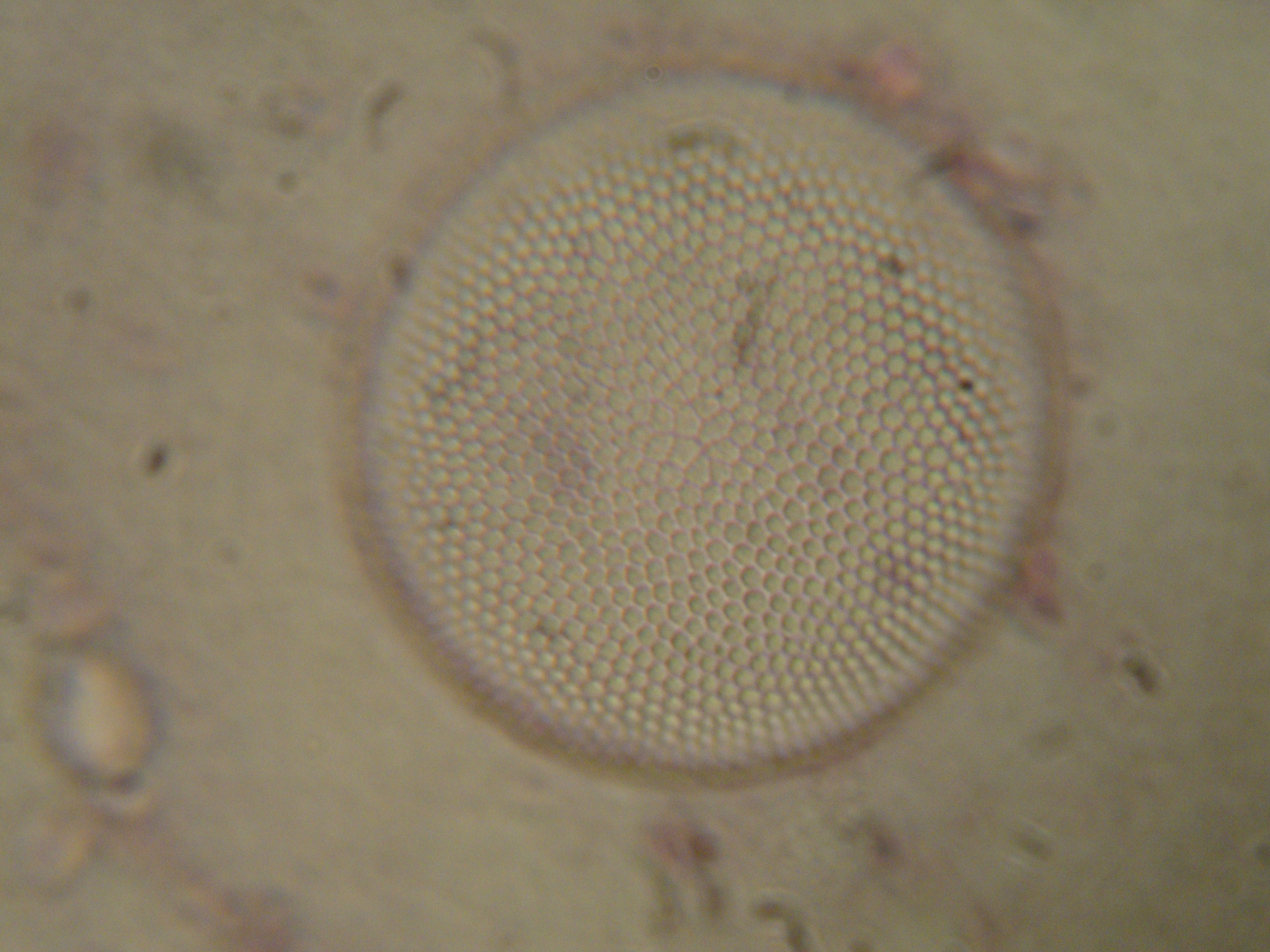
Phytoplankton assemblage
Speaker Note

Treat this as a cinematic pause. In spring, after months of darkness, the system wakes all at once. Nutrients are already waiting in the water. Add light, and the surface erupts into green. This is the real opening bell of the polar food web.

Image Credit

Phytoplankton bloom story moment
NASA Goddard Space Flight Center / Jeff Schmaltz / MODIS · NASA imagery / Commons-hosted

Diatoms under the microscope
06 · MICROSCOPIC LIFE

Glass Houses

Diatoms build beauty from light and silica.

Bacillariophyta
Speaker Note

Diatoms are one of the great visual gifts of plankton life. Under the microscope they look ornate, almost architectural, but out here they are simply doing the blunt work of empire: collecting sunlight, multiplying fast, and feeding the rest of the ocean.

Image Credit

Diatoms under the microscope
Marek Mis · CC BY 4.0

07 · KRILL & ZOOPLANKTON

Who Am I?

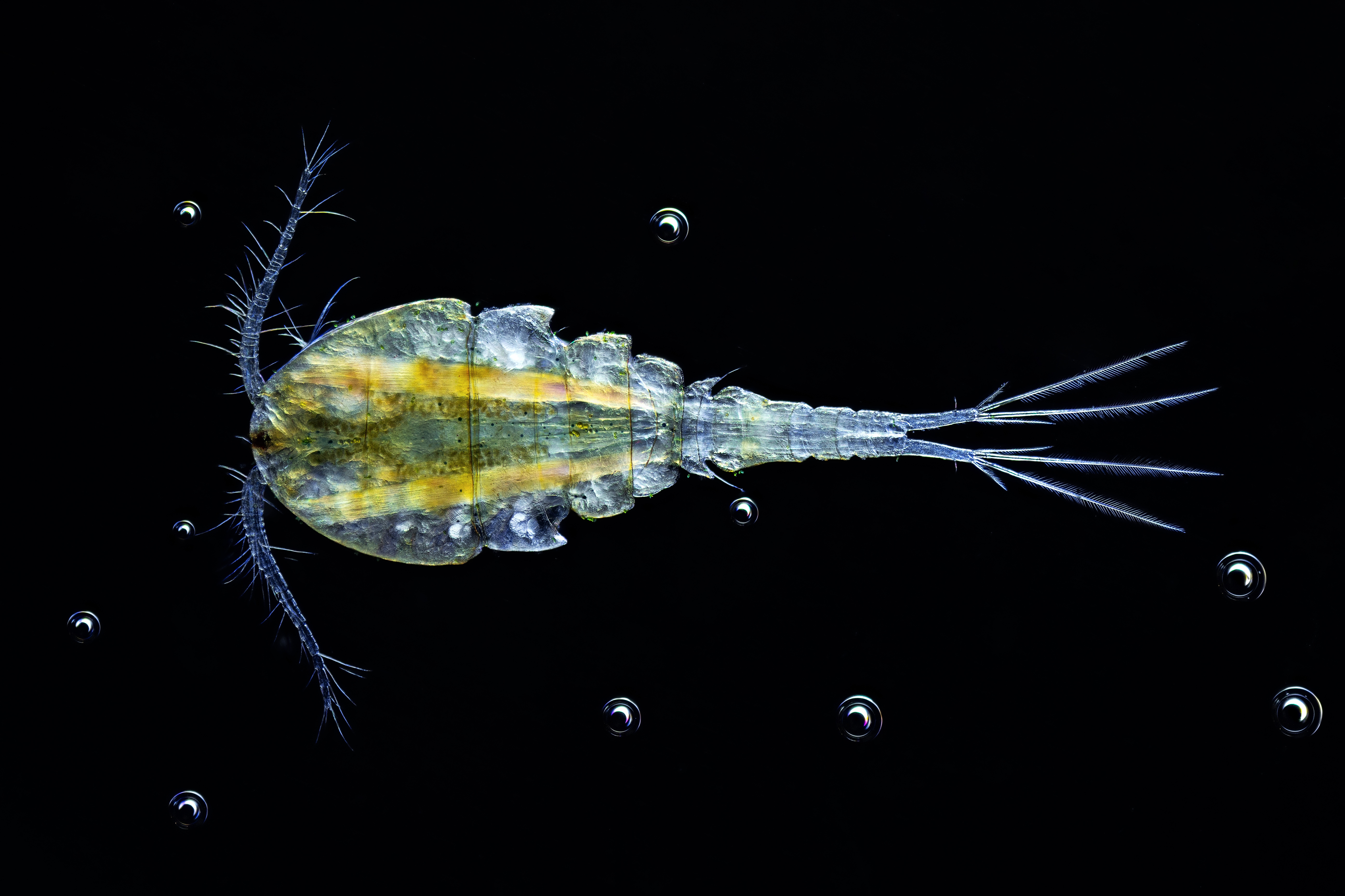
Plant, animal, or the hinge between both?
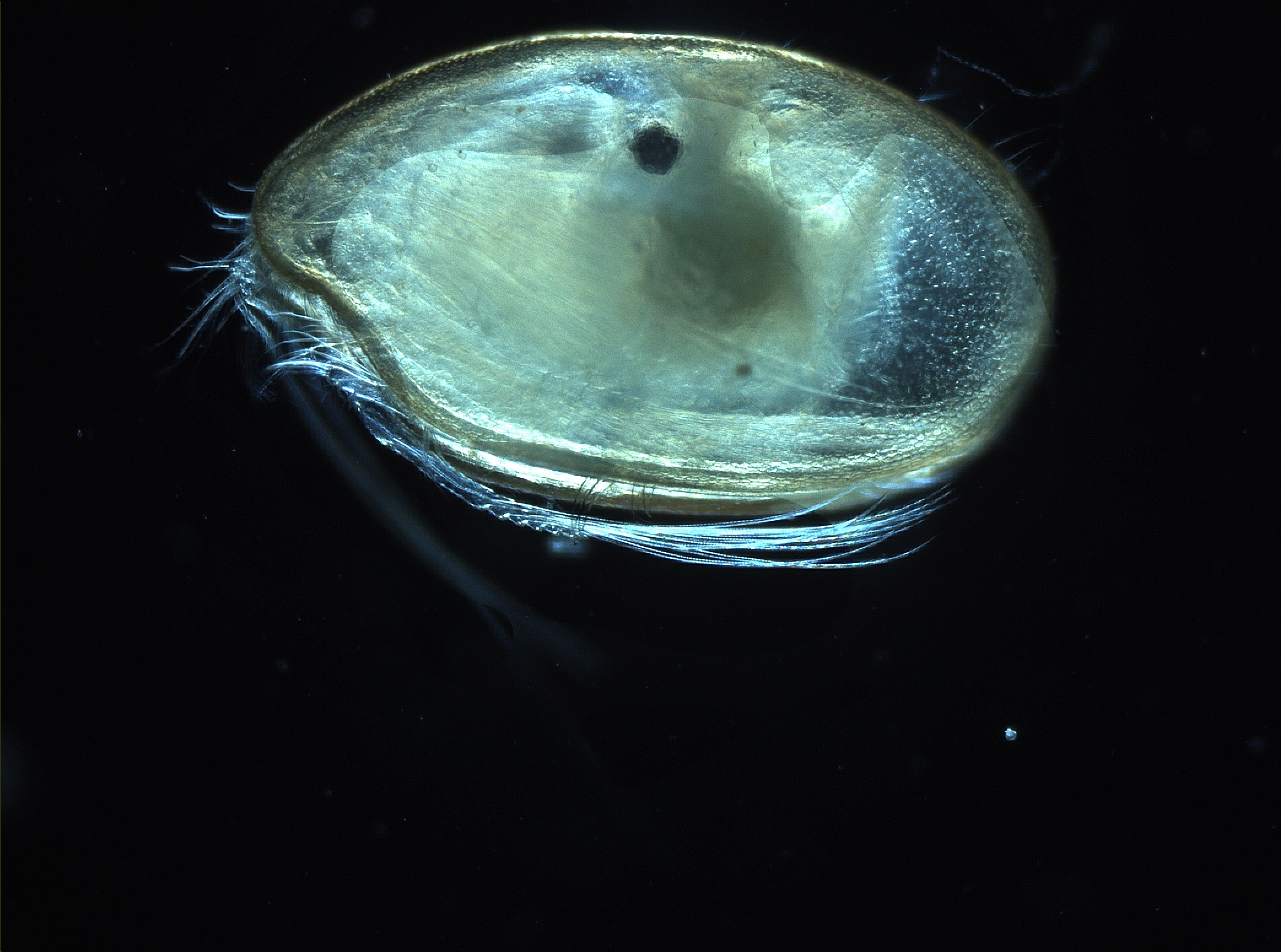
Observation slide: What are you looking at before I tell you?
Macro photograph of a copepod
Copepoda
Speaker Note

Use this as the observation slide. Give people a second to guess. The point is not that everyone names the species correctly. The point is that the middle of the food web is easy to overlook, and yet everything above depends on it.

Image Credit

Macro photograph of a copepod
Uwe Kils · CC BY 2.5 / CC BY-SA 3.0 / GFDL

08 · KRILL & ZOOPLANKTON

Meet the Krill

Small bodies, enormous consequence.
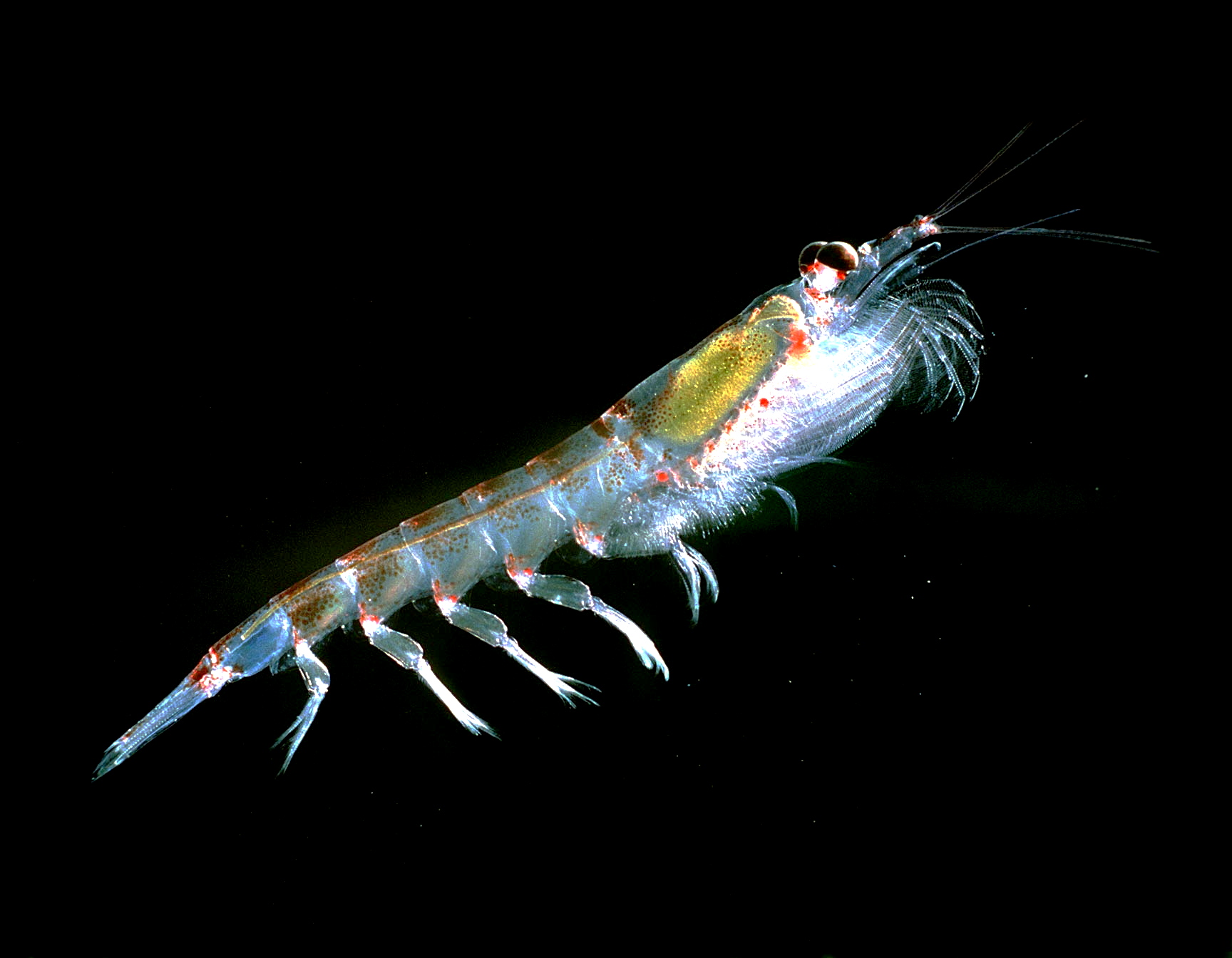
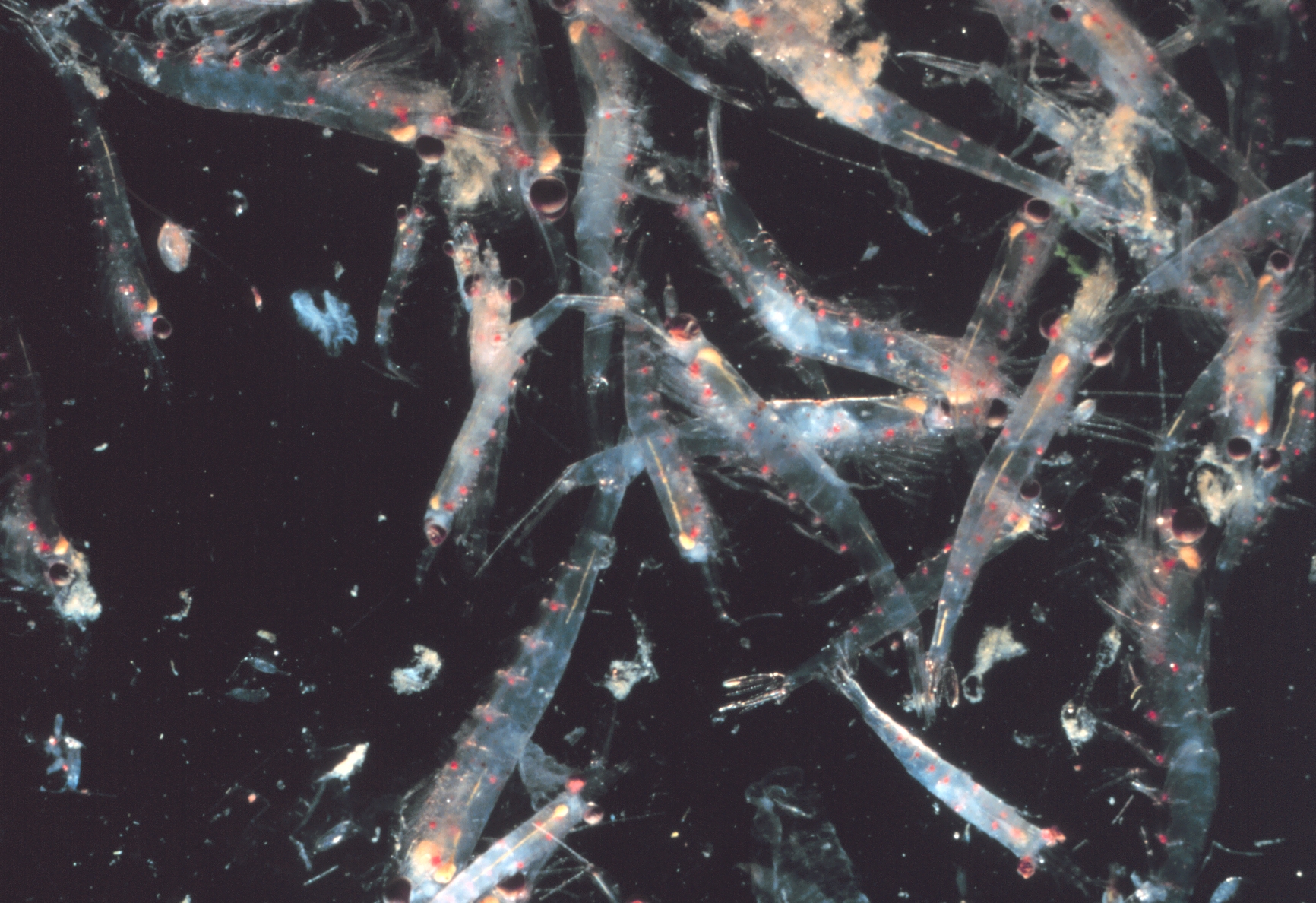
Antarctic krill close-up
Euphausia superba
Speaker Note

This is the hinge slide of the whole lecture. Krill are not charismatic in the way whales are, but they are the reason whales can exist here in such numbers at all. They take the bloom and package it into moving, protein-rich prey.

Image Credit

Antarctic krill close-up
Uwe Kils · CC BY-SA 3.0 / GFDL

09 · KRILL & ZOOPLANKTON
Krill swarm in the water column
KRILL SWARM

Food becomes weather when enough bodies move together.

Euphausia superba
Speaker Note

Let this one breathe. A krill swarm is not just a meal, it is an event. Dense, coordinated, and constantly shifting, it turns the water column into something almost visible from the surface, like a red pulse moving through the sea.

Image Credit

Krill swarm in the water column
Jamie Hall / NOAA · Public domain

Zooplankton grazer
10 · KRILL & ZOOPLANKTON

The Other Grazers

Copepods and planktonic drifters share the feast.

Copepoda
Speaker Note

Krill are famous, but they are not alone. Polar blooms are grazed by whole legions of zooplankton, from copepods to gelatinous drifters. Each one is another small engine turning sunlight into animal life.

Image Credit

Zooplankton grazer
Uwe Kils · CC BY 2.5 / CC BY-SA 3.0 / GFDL

11 · KRILL & ZOOPLANKTON

A Conveyor Belt of Mouths

The bloom rises upward through millions of grazers.
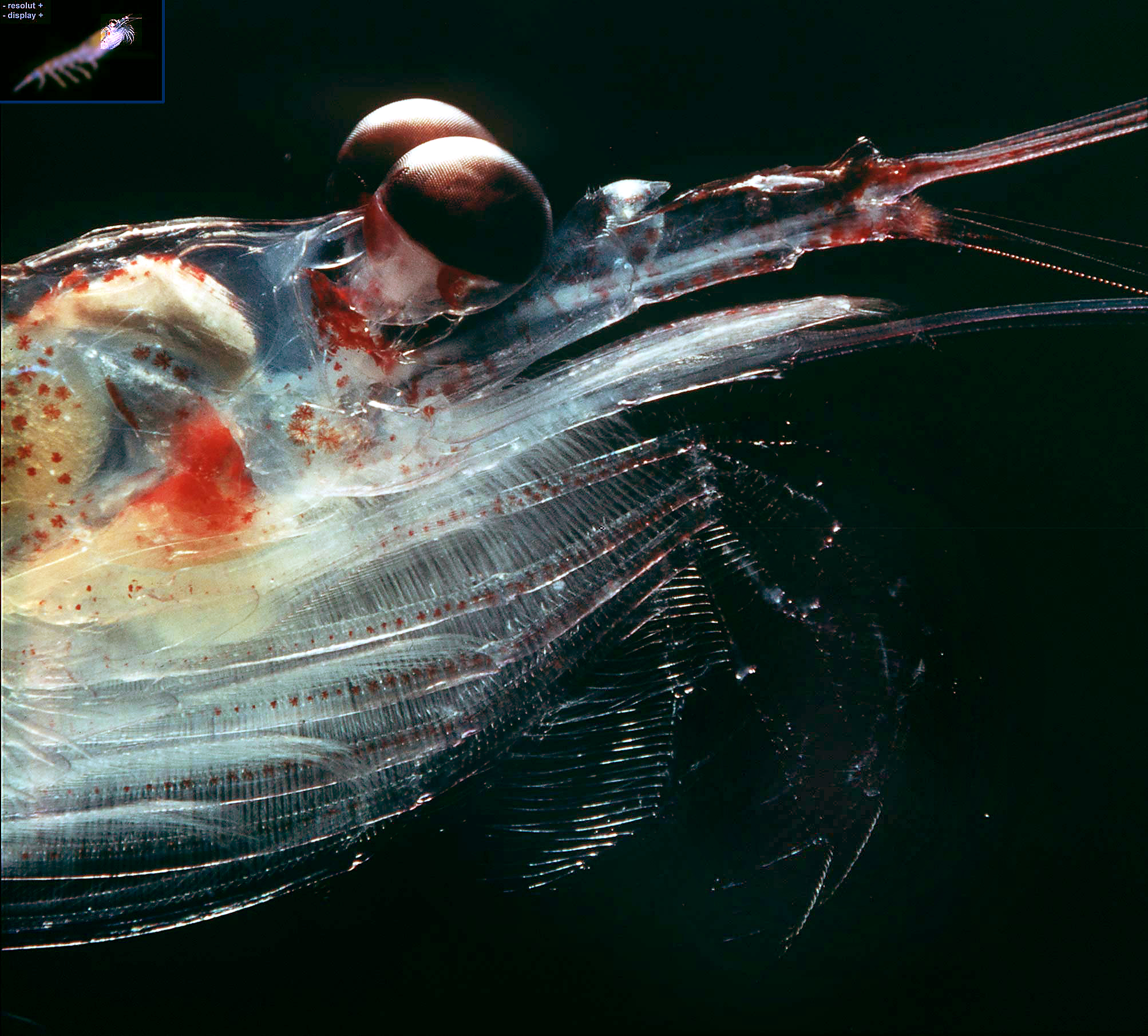
Antarctic krill head detail
Euphausia superba
Speaker Note

Explain the momentum of the system. Energy does not leap straight from algae to whales. It climbs. First plankton, then krill and zooplankton, then fish, birds, seals, and baleen whales. The middle of the web is crowded, busy, and very alive.

Image Credit

Antarctic krill head detail
Uwe Kils · CC BY-SA 3.0 / GFDL

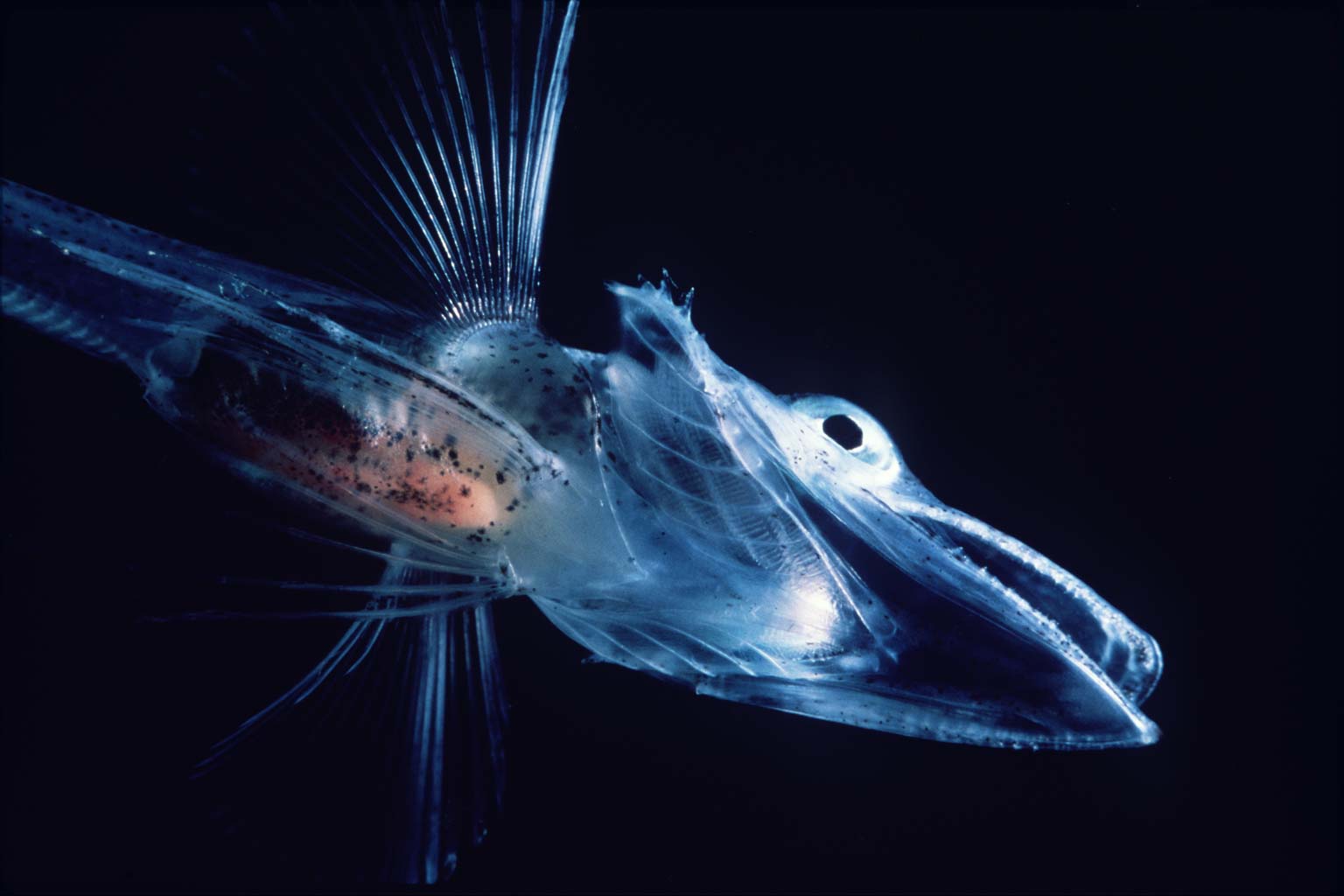
Icefish close-up
12 · FISH & MID-LEVEL PREDATORS

The Bridge Species

Fish carry krill energy into bigger bodies.

Channichthyidae
Speaker Note

This is where the web gets muscular. Small polar fish turn drifting prey into something faster, denser, and easier to target. They are the bridge between swarms and hunters.

Image Credit

Icefish close-up
Serace97 · CC BY-SA 4.0

13 · FISH & MID-LEVEL PREDATORS

Nothing Wasted

Seabirds track the same surges from above.
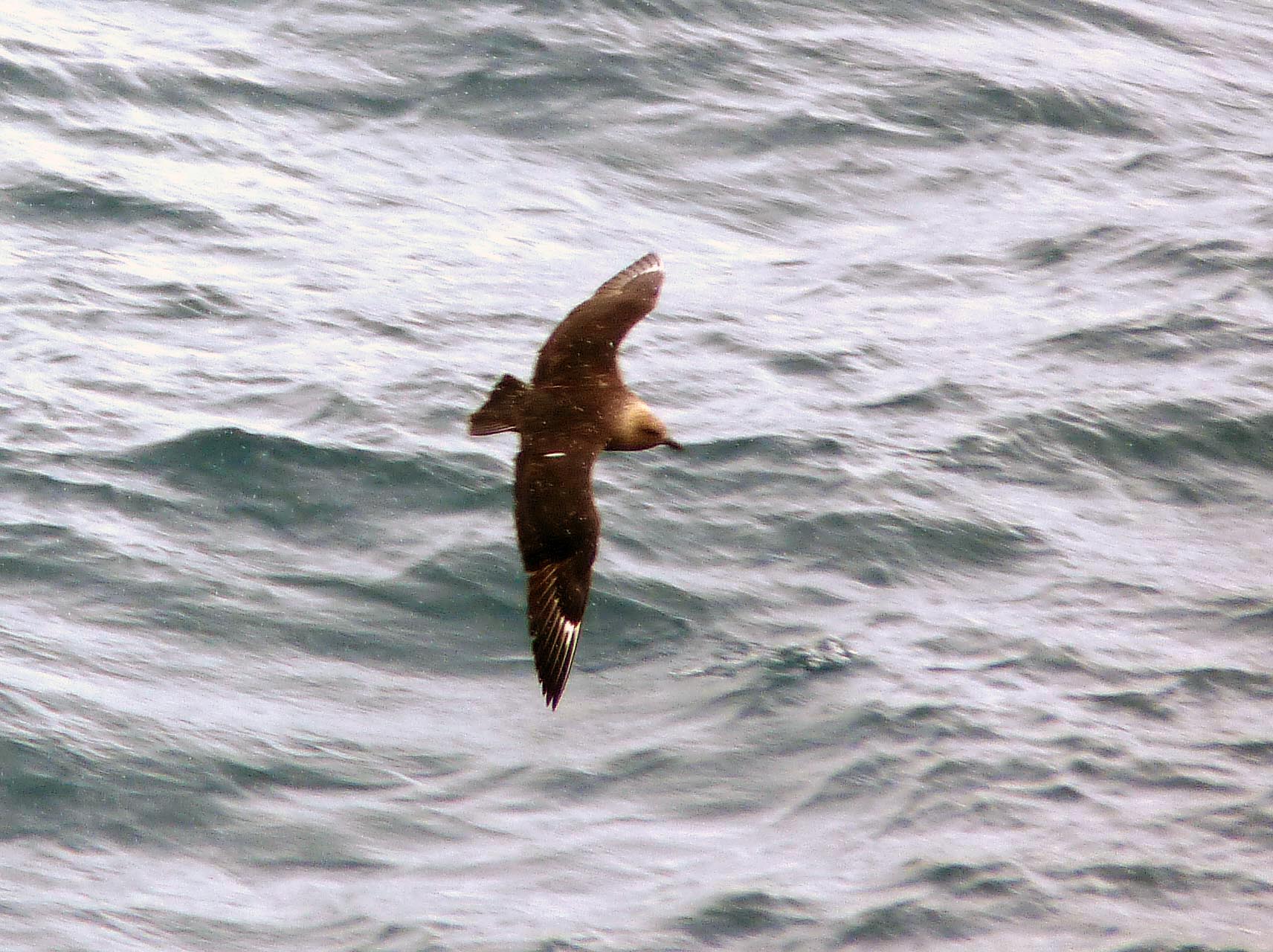
South polar skua at Half Moon Island
Stercorarius maccormicki
Speaker Note

On expedition, this is often how you know something is happening. Before you see the prey, you see the birds. Skuas, petrels, and other seabirds read the surface like a map, dropping in wherever the food web bunches up.

Image Credit

South polar skua at Half Moon Island
michael clarke stuff · CC BY-SA 2.0

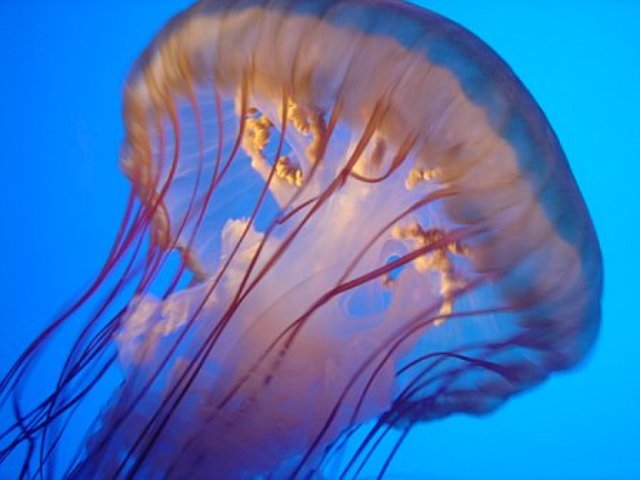
Mid-water predator
14 · FISH & MID-LEVEL PREDATORS

The Middle Is Crowded

Every layer of water holds another hunter.

Scyphozoa
Speaker Note

Keep this broad and atmospheric. Between krill and whales there is no empty middle. There are fish, squid, seabirds, and all the quick opportunists that capitalize on a short polar summer.

Image Credit

Mid-water predator
Katrina Curato · GFDL

15 · SEALS & PENGUINS

Birds That Fly Underwater

Penguins turn pursuit into choreography.
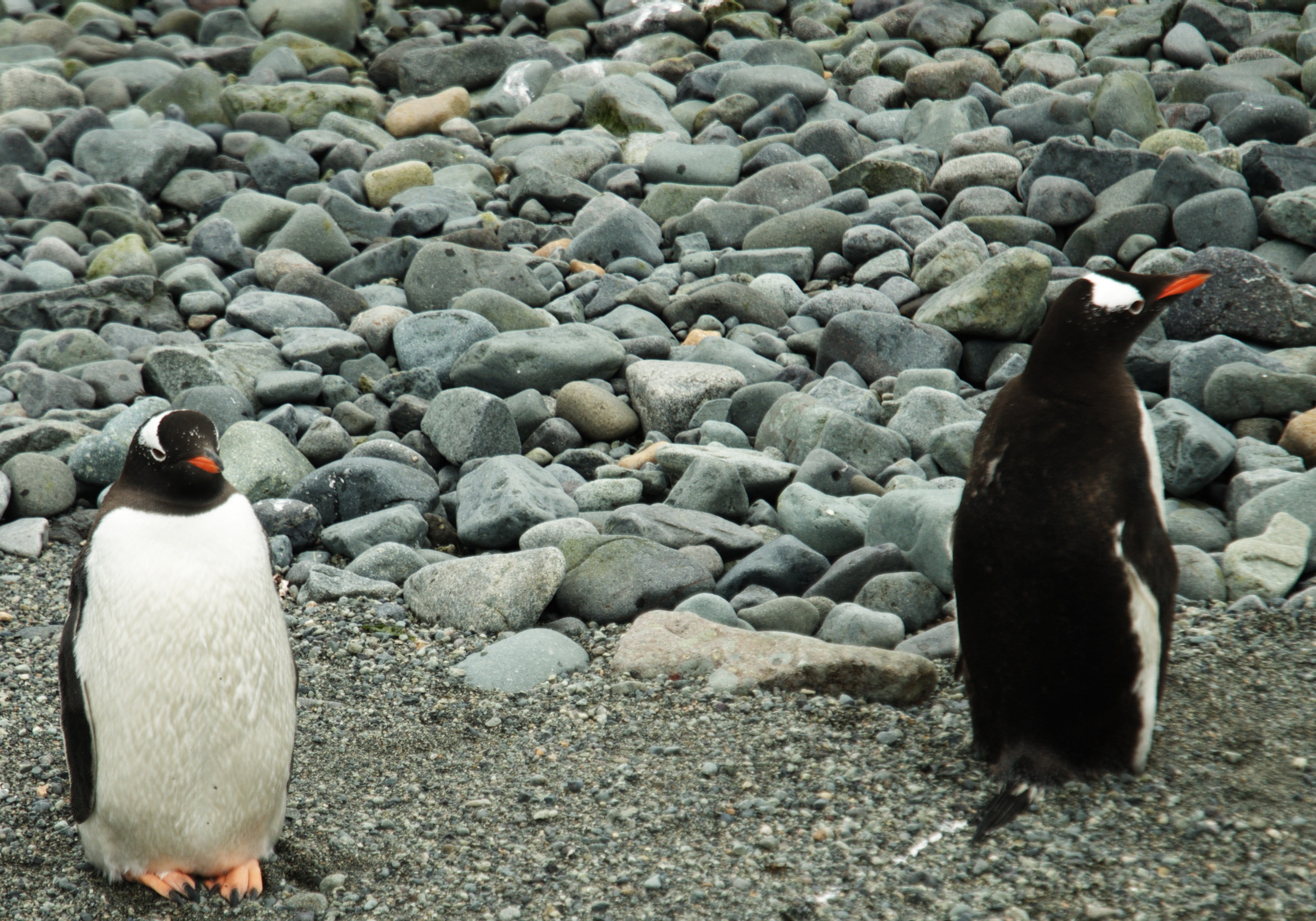
Gentoo penguins near the Weddell Sea
Pygoscelis papua
Speaker Note

This is where the audience usually reconnects emotionally. Penguins feel familiar, but what they are doing is extraordinary. They are birds that have traded the sky for the sea and become some of the most efficient divers in the polar ecosystem.

Image Credit

Gentoo penguins near the Weddell Sea
Matteo X · CC BY 2.0

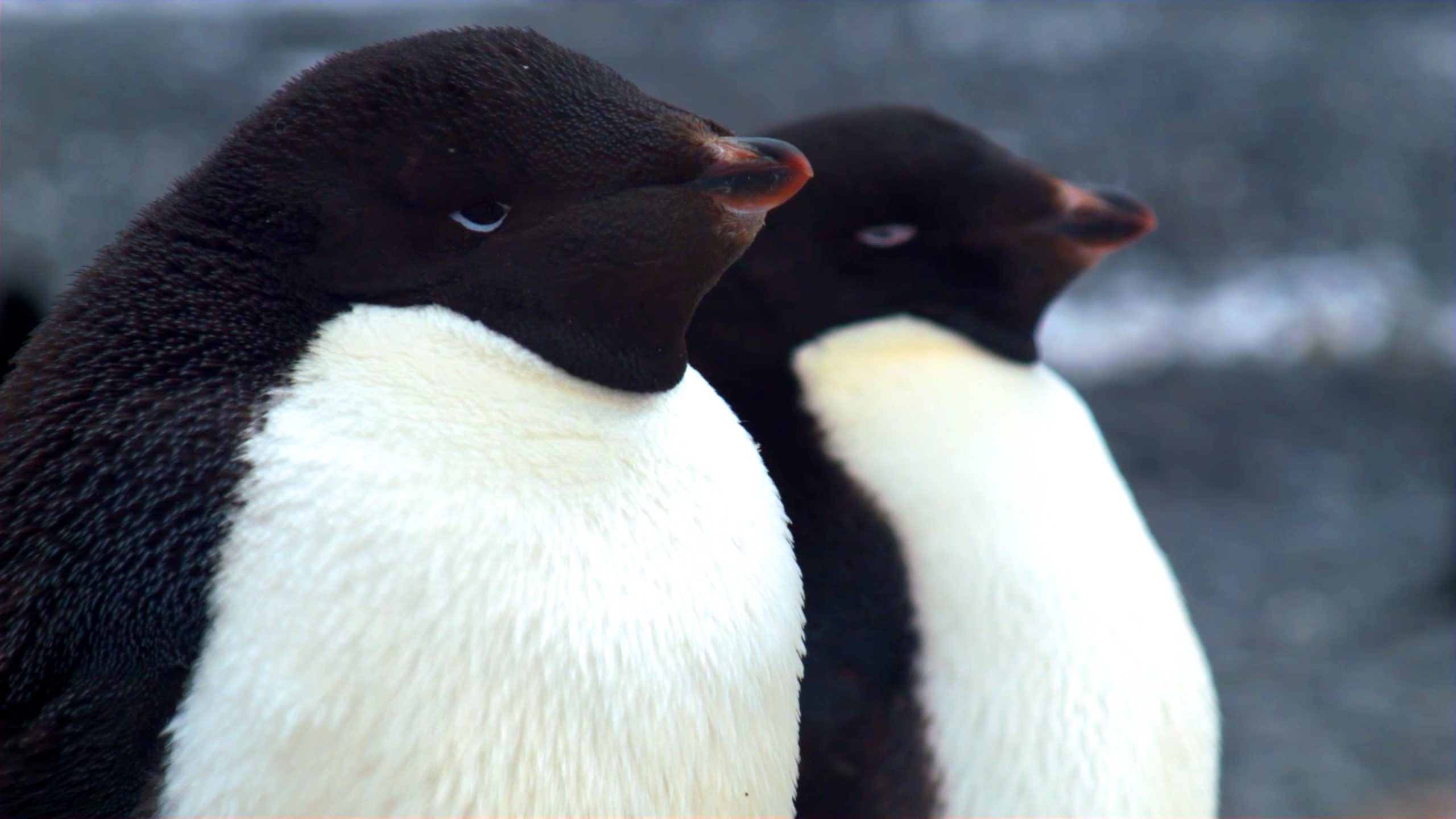
Adélie penguins on Franklin Island
16 · SEALS & PENGUINS

Colony Time

Short summers demand speed, noise, and chaos.

Pygoscelis adeliae
Speaker Note

Penguin colonies are the sound of timing made visible. Adults have only a short window to nest, feed, guard chicks, and survive. Everything is compressed. The whole season feels urgent because it is.

Image Credit

Adélie penguins on Franklin Island
owamux · CC BY 2.0

17 · SEALS & PENGUINS

The Krill Specialists

Some seals live almost entirely on the swarm.
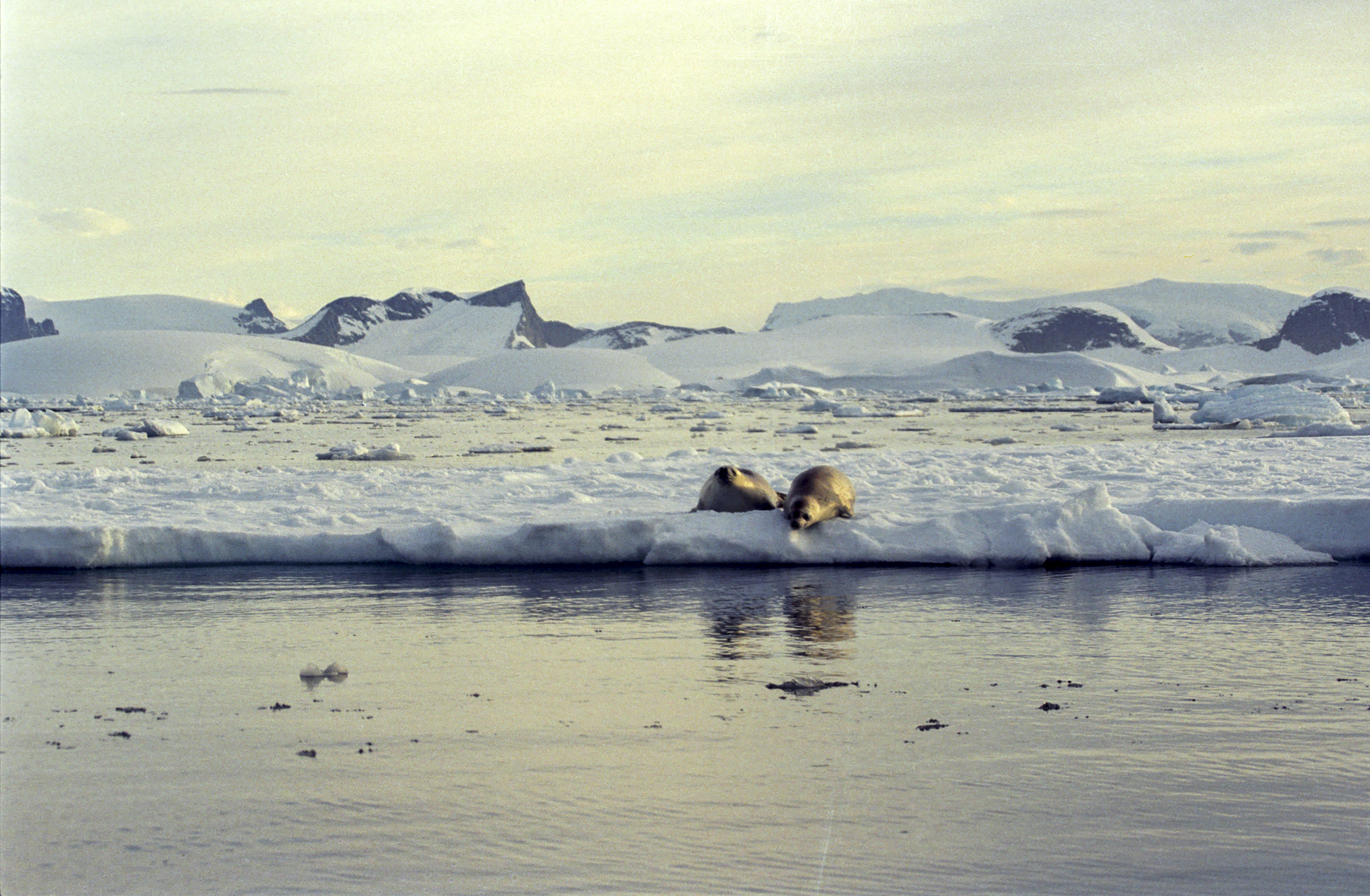
Crabeater seals on Antarctic ice
Lobodon carcinophagus
Speaker Note

This is a useful reminder that specialization can work brilliantly in Antarctica when the prey is abundant enough. Crabeater seals are not eating crabs. They are sieving krill by the thousands, beautifully tuned to a rich but seasonal buffet.

Image Credit

Crabeater seals on Antarctic ice
Jerzy Strzelecki · CC BY 3.0 / GFDL

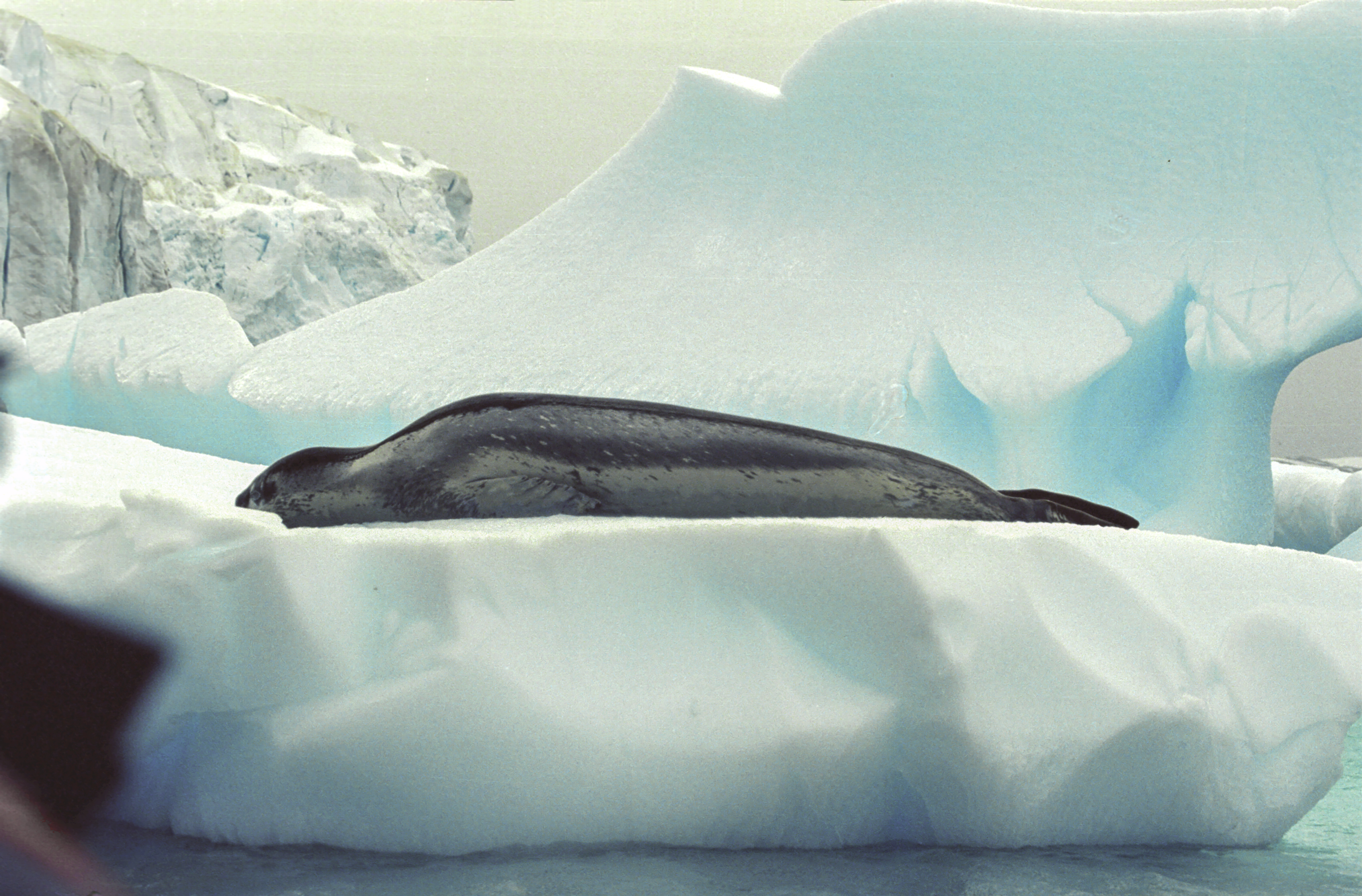
Leopard seal portrait
18 · SEALS & PENGUINS

The Ambush Artist

At the top, patience becomes a weapon.

Hydrurga leptonyx
Speaker Note

Slow the room down here. Leopard seals do not need frenzy. They need position, stealth, and timing. In a system packed with prey, stillness can be just as deadly as speed.

Image Credit

Leopard seal portrait
Jerzy Strzelecki · CC BY 3.0 / GFDL

19 · WHALES

When the Giants Return

Whales arrive where the bloom has paid off.
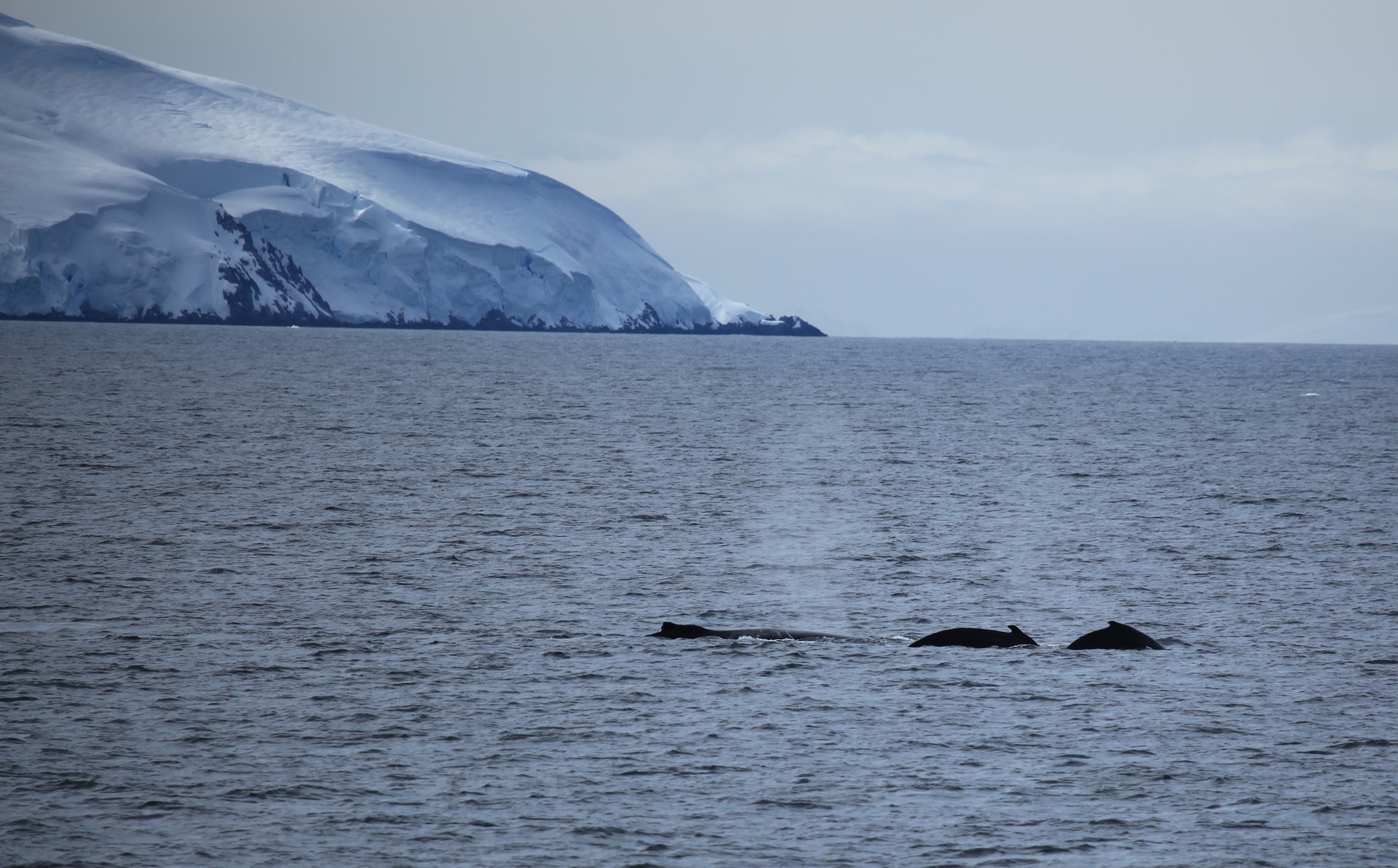
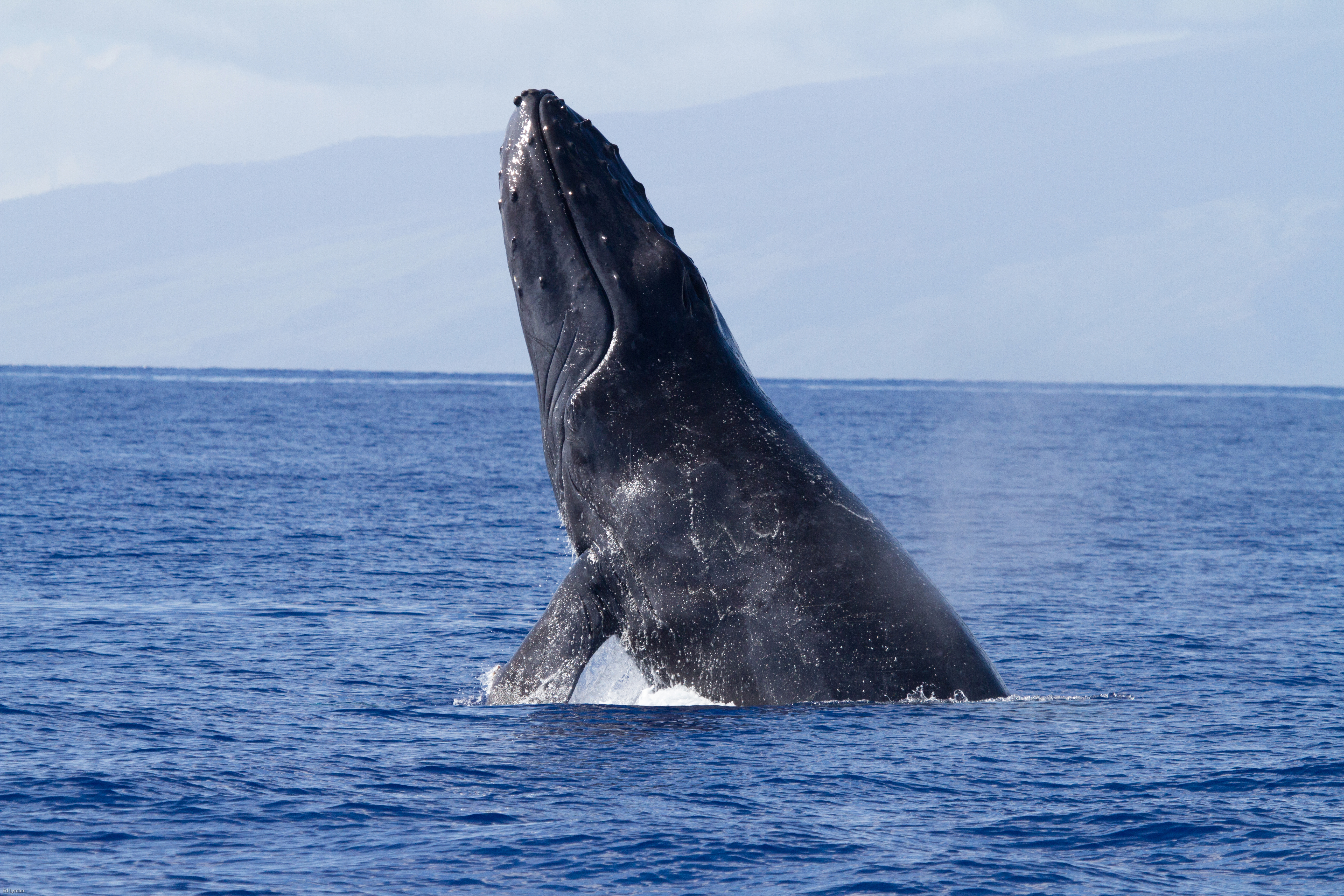
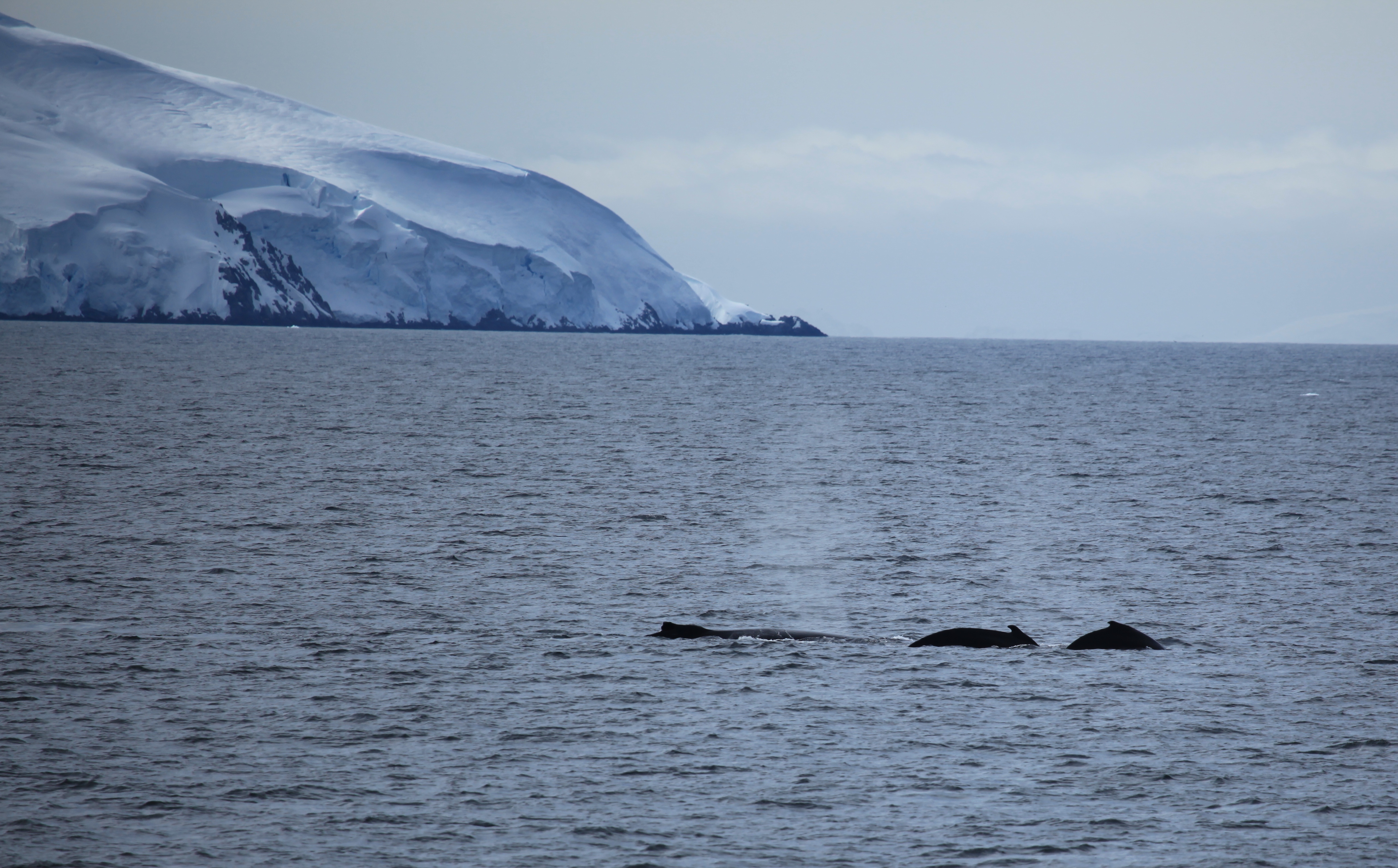
Humpback whales in the Gerlache Strait
Megaptera novaeangliae
Speaker Note

This is the emotional turn in the lecture. Everything we have built so far now becomes visible at human scale. Whales appear where the food web has become dense enough to reward enormous bodies and long migrations.

Image Credit

Humpback whales in the Gerlache Strait
Liam Quinn · CC BY-SA 2.0

20 · WHALES
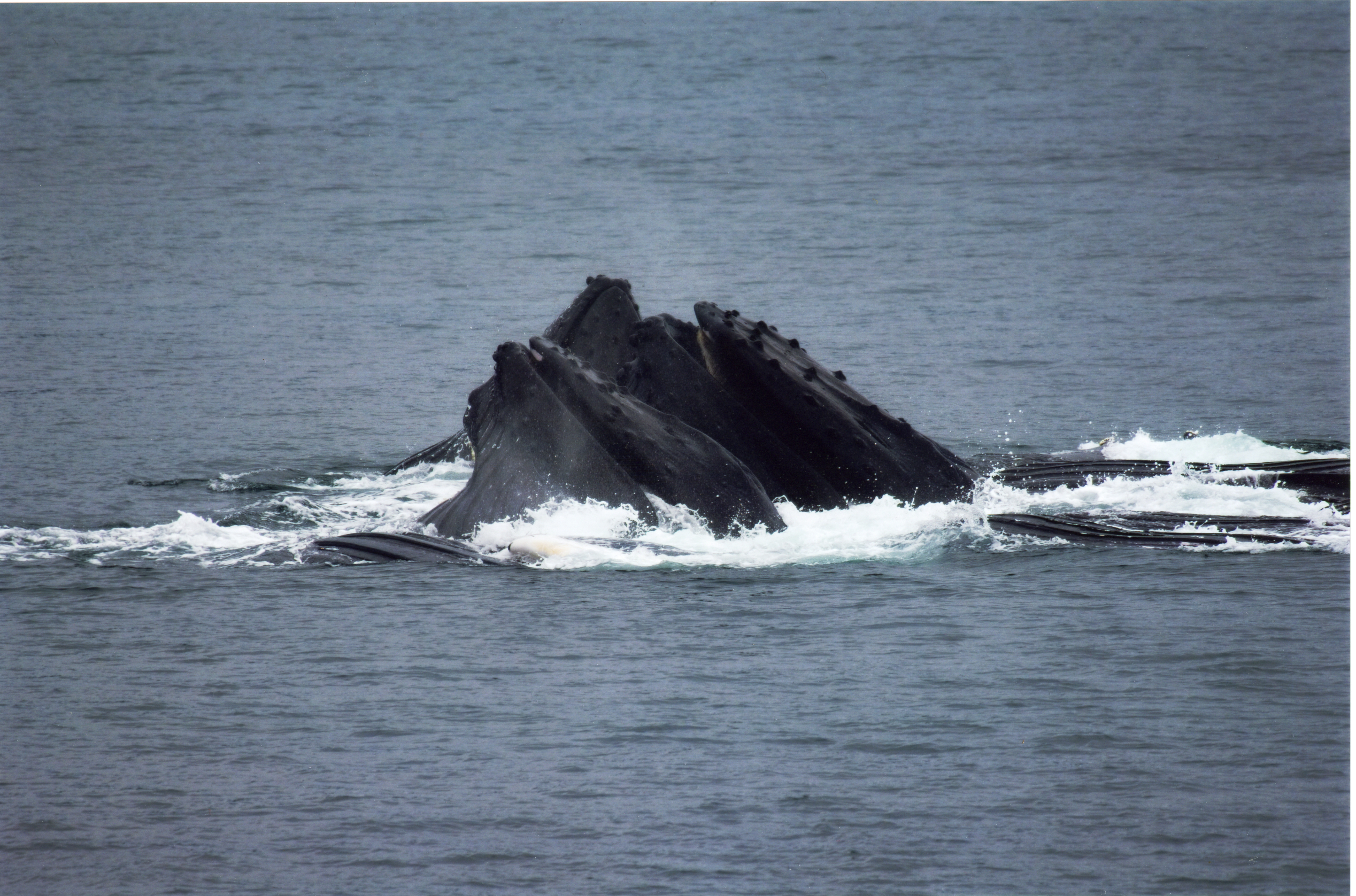
Bubble-net feeding humpback whales
FEEDING FRENZY

A whale lunges, and half a tonne disappears.

Megaptera novaeangliae
Speaker Note

Use this as the whale feeding story moment. You can almost hear the audience breathe in with the image. One mouthful is the sum of everything we have discussed: bloom, swarm, concentration, timing, and a predator built to exploit abundance at immense scale.

Image Credit

Bubble-net feeding humpback whales
Evadb · Public domain

Antarctic minke whales
21 · WHALES

Designed for the Buffet

Baleen turns dense prey into giant bodies.

Balaenoptera bonaerensis
Speaker Note

Explain baleen simply, almost physically. These whales do not chase one fish at a time. They engulf, strain, and process abundance. The polar ocean works for them only when prey gathers densely enough to make each lunge worthwhile.

Image Credit

Antarctic minke whales
Jerzy Strzelecki · CC BY 3.0 / GFDL

22 · WHALES

One More Apex

Even the hunters can be hunted.
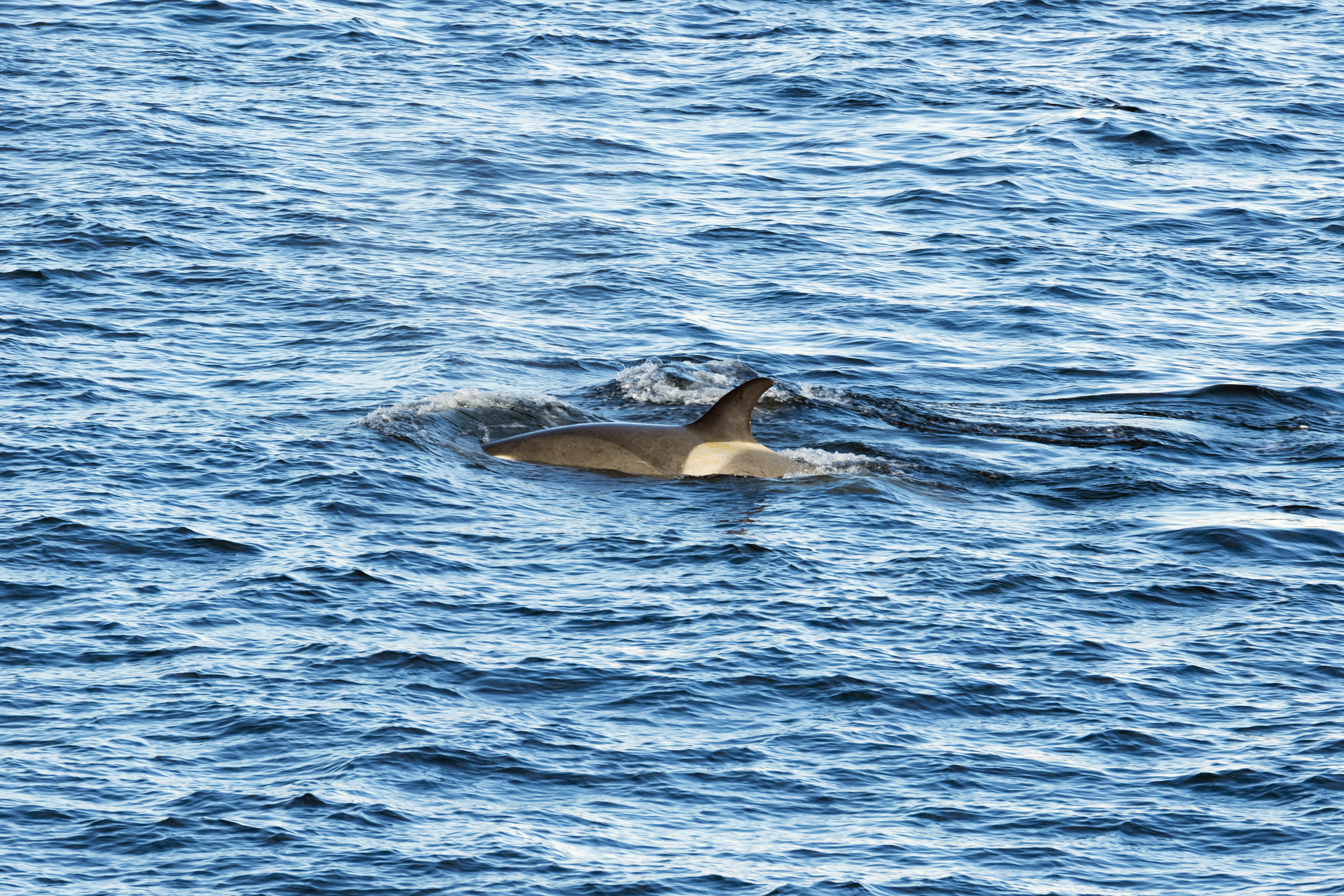
Killer whale in the Gerlache Strait
Orcinus orca
Speaker Note

Close the whale chapter by widening the story again. Orcas sit at the far edge of the system, reading weaknesses in seals, penguins, and sometimes other whales. In Antarctica, even the giants do not live outside the web.

Image Credit

Killer whale in the Gerlache Strait
AWeith · CC BY-SA 4.0

Humpbacks in Antarctica as ecosystem culmination
23 · ECOSYSTEM CONNECTION

One Thread

Sunlight to plankton to krill to giants.
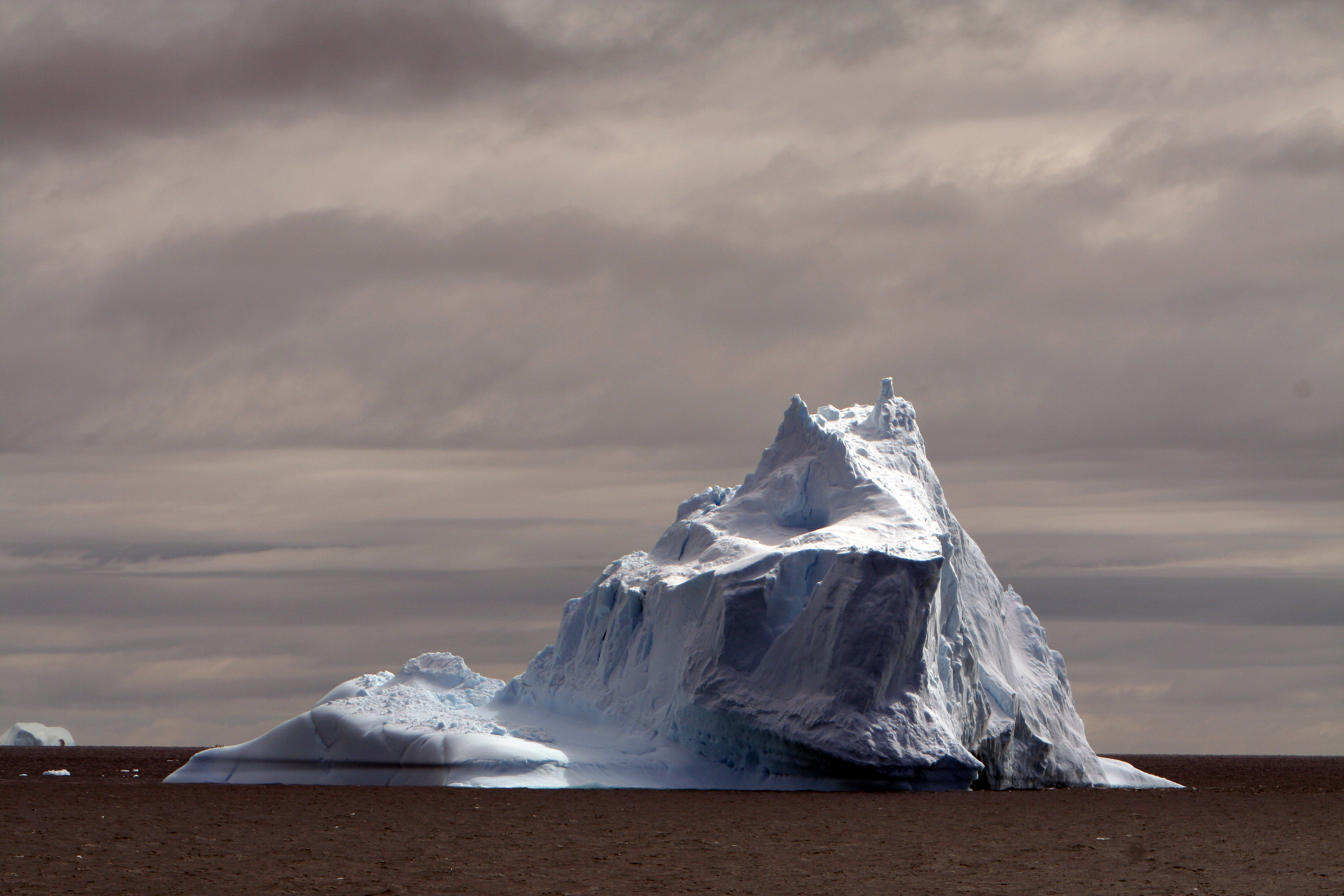
Megaptera novaeangliae
Speaker Note

This is the synthesis slide. Resist the temptation to sound academic. Just tell the audience what they have already felt: nothing we admire at the surface is separate from what happens in the bloom below it.

Image Credit

Humpbacks in Antarctica as ecosystem culmination
Liam Quinn · CC BY-SA 2.0

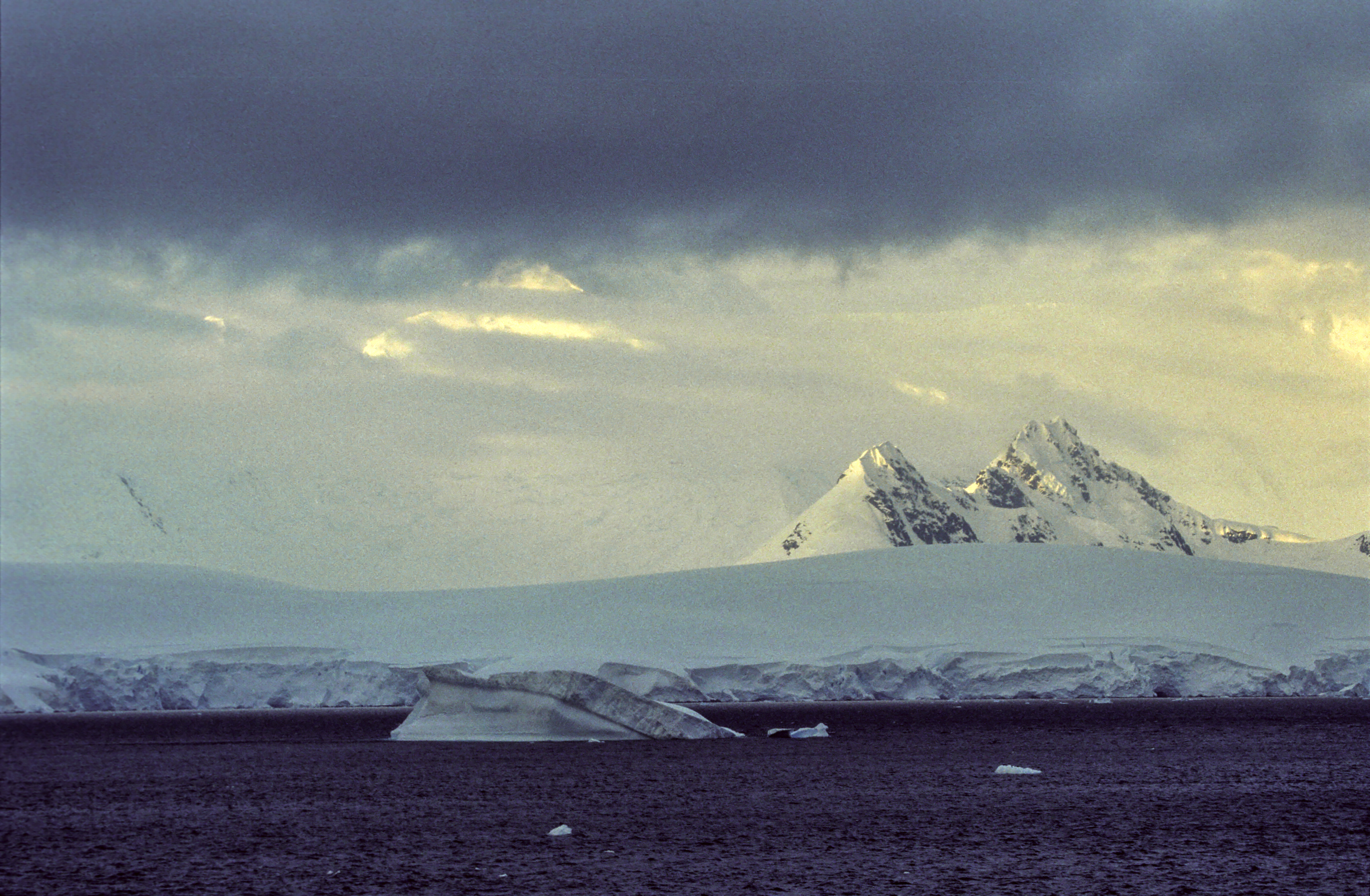
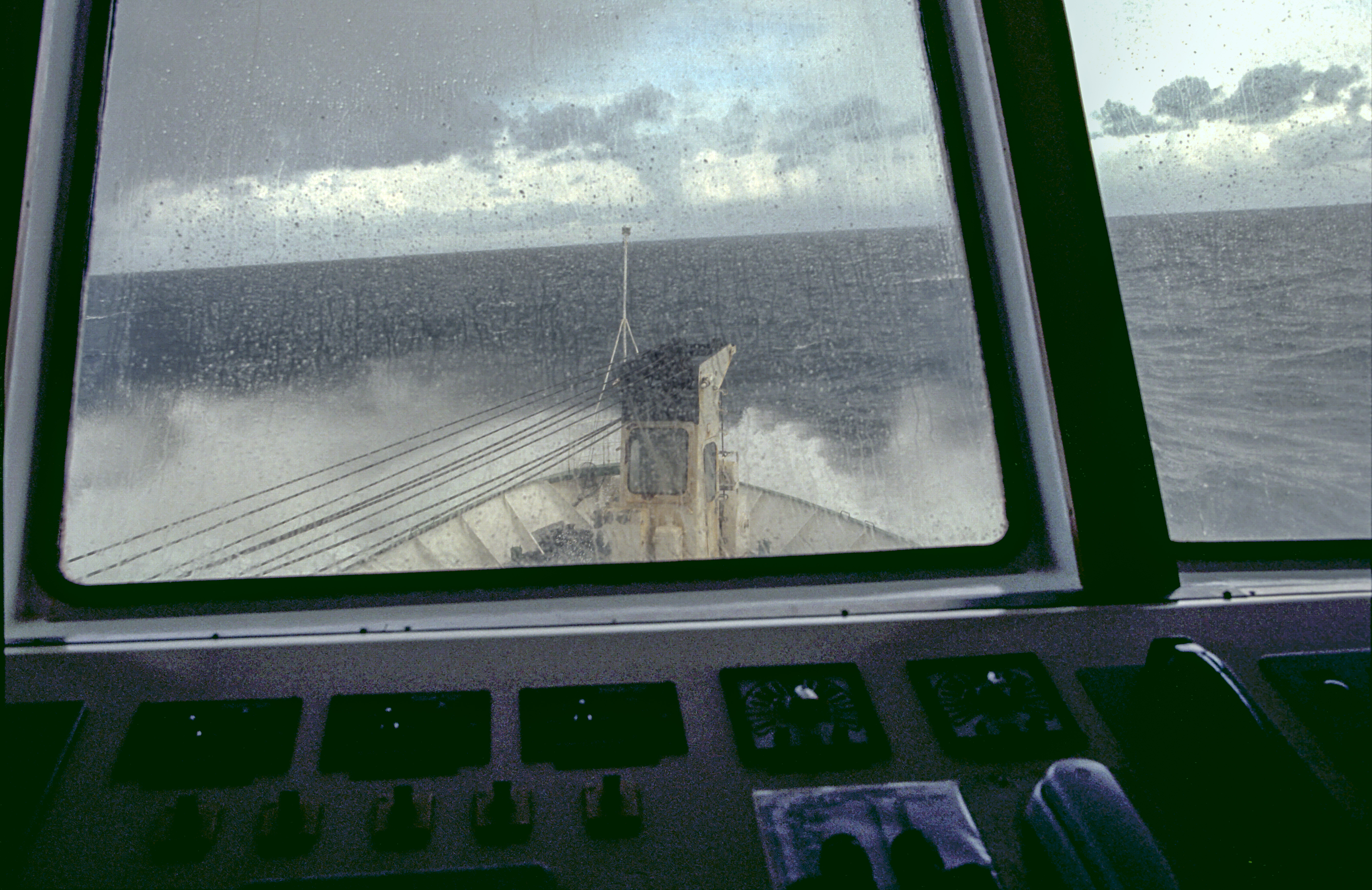
Antarctic seascape for ecosystem fragility
24 · ECOSYSTEM CONNECTION

A Short Season, A Fragile Balance

Change the timing, and everything above feels it.
Speaker Note

Keep the tone sober but not doom-heavy. Polar systems are powerful, but they are also finely timed. Shift sea ice, bloom timing, or prey density, and the effects travel upward quickly through the animals we notice most.

Image Credit

Antarctic seascape for ecosystem fragility
David Stanley · CC BY 2.0

Antarctic approach landscape
25 · CLOSING

Next Time You See a Whale

Remember the green pulse beneath the ice.

Speaker Note

End by looping back to the beginning. A whale is never only a whale in polar waters. It is the visible crest of a whole chain of hidden abundance, from moss on the rocks to bloom in the sea to krill in the current.

Image Credit

Antarctic approach landscape
Jerzy Strzelecki · CC BY-SA 3.0 / GFDL